Multiple sclerosis: examining early symptoms in children
Published on 27 July 2009
Evidence suggests at least five percent of people with multiple sclerosis (MS) suffer their first symptoms before the age of 16.1 However, there is a severe lack of information on how many children currently have MS, how their illness progresses during childhood, and what sort of treatment works best. Researchers fear this knowledge gap may be causing delays in diagnosis and treatment. They are looking for answers, to help improve the lives of children with MS.
This study is jointly funded by Action Medical Research and the Multiple Sclerosis Society.
Contents
What's the problem and who does it affect?
Difficulties and delays
Evidence suggests at least one in 20 people with MS develops symptoms before the age of 16.1
In the early stages of the illness, it can be difficult to decide whether or not a child actually has MS. Children suffer what’s known as a demyelinating episode, which can cause a variety of symptoms, including poor vision, muscle weakness, numbness or confusion. Several other conditions can also cause the same symptoms.
Many children recover well from a demyelinating episode, whereas others have longer term problems and are later diagnosed with MS or another illness. It is hard to predict what the future holds for each child.
Uncertainties over diagnosis can cause much anxiety, as MS is a serious illness, which can be progressive. It can cause a range of symptoms including vision problems, difficulties walking, tremors, extreme fatigue and, for some people, problems breathing and swallowing in the later stages.
Even when children have been diagnosed with MS, it is not clear how best to treat them; many existing medicines have been tested only on adults. Evidence in adults suggests the earlier some treatments begin, the better they work. Researchers therefore fear delays in treating children could be causing unnecessary suffering.
What is the project trying to achieve?
Filling the information gap
The symptoms of MS result from damage to a substance called myelin in the brain and spinal cord – hence the term ‘demyelinating episode’. Myelin forms an insulating sleeve around nerve fibres. We need it to feel, move, talk, see and think properly, for example. Hence the wide range of symptoms that people with MS can experience.
The researchers are finding out how many children seek medical help for a demyelinating episode in the UK and Ireland over a 13-month period. They are monitoring each child for two years to see what symptoms they experience and find out which of the children go on to be diagnosed with MS. They hope to identify ways to predict which children are most likely to develop MS.
Some of the children are being monitored in more detail, over a longer period of at least five years, to find out more about how MS progresses during childhood, what sort of treatment children currently receive, and how their illness affects their quality of life and emotional well being. Blood samples are being stored for use in future studies.
What are the researchers' credentials?
| Project Leader | Dr E Wassmer MD |
|---|---|
| Project team | Dr Michael A Absoud Dr Carole L Cummins Dr Cheryl A Hemingway Dr Philip Jardine Dr Rachel Kneen Dr Ming J Lim Dr Mike Pike Dr William Whitehouse Collaborators: |
| Location | Paediatric Neurology Department, Institute of Child Health and Birmingham Children’s Hospital, Birmingham, in conjunction with the Paediatric Neurology departments of the Evelina Children’s Hospital, Guy’s and St Thomas’ NHS Foundation Trust, London, the John Radcliffe Children’s Hospital at Oxford and Great Ormond Street Hospital, London |
| Other locations | Paediatric Neurology Departments of: Alder Hey Children’s Hospital, Liverpool Evelina Children’s Hospital, Guy’s and St Thomas’ NHS Foundation Trust, London Great Ormond Street Hospital, London Institute of Child Health, London John Radcliffe Children’s Hospital, Oxford North Bristol NHS Trust Nottingham University Hospitals NHS Trust |
| Duration | 5 years |
| Grant awarded | 27 April 2009 |
| Start date | 1 April 2009 |
| End date | 31 March 2014 |
| Grant amount | £199,722.00 |
| Grant code | SP4472, GN1746 |
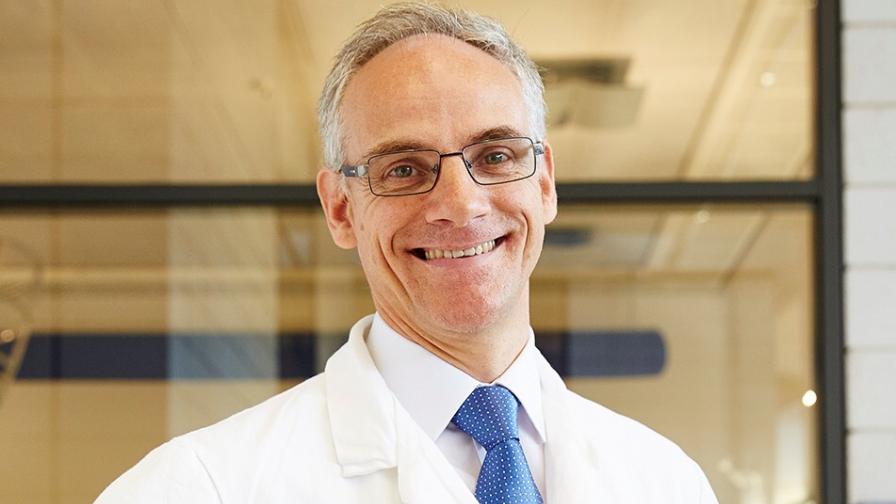
The project leader, Dr Evangeline Wassmer, is a Consultant Paediatric Neurologist at Birmingham Children’s Hospital and Honorary Senior Clinical Lecturer at Birmingham University. Dr Wassmer has many years’ experience of working with sick children, has a specialist interest in MS and is a member of the Steering Committee of the International Paediatric MS Study Group (www.ipmssg.org).
The project team includes several other experienced neurologists, some who work with children and others who work with adults, as well as researchers with expertise in, for example, clinical trials, taking images of nerve cells, and the molecular pathways involved in the development and progression of MS.
The researchers run clinics for children with MS-like illnesses at hospitals around the country, and have joined together to form a nationwide steering committee that aims to improve the care of these children. The committee is called the UK and Ireland Childhood CNS Inflammatory Demyelination Working Group (www.childdemyelination.org.uk).
Who stands to benefit from this research and how?
Improving diagnosis and treatment
The researchers hope their work will make it easier for doctors to predict which of the children who suffer a demyelinating episode are likely to recover well, and which children are most at risk of developing MS. It can be very important for children and their families to know more about what the future could hold, and how their illness might progress.
The researchers believe the information they are gathering could help in the design of new international guidelines on the best way to diagnose and treat MS in children, so doctors can better cater to children’s physical, educational and emotional needs. If the guidelines facilitate earlier, more accurate diagnosis and treatment, they could reduce children’s suffering significantly, as evidence in adults suggests the sooner treatment begins, the better it works.
This project could be the beginning of an important long-term study, as the researchers hope to follow the children’s progress into adulthood. They are constantly striving to improve the lives of children with MS, and believe their work could ultimately lead to better diagnostic tests and maybe even totally new treatments for this potentially progressive and debilitating illness.
References
- Duquette P. Multiple sclerosis in childhood: clinical profile in 125 patients. J Pediatr 1987; 111(3):359-63.