
About Action Medical Research
We are the leading UK-wide charity dedicated to funding vital research to help sick and disabled babies, children and young people
Funding Medical breakthroughs
We have helped to beat polio, fight meningitis, prevent stillbirths and develop ultrasound scanning in pregnancy, helping to save thousands of children’s lives and change many more.
Today, our children’s charity continues to tackle the challenges disease and disability present by funding high quality research across the UK to save and change children’s lives.


Never got to ride a bike
Our Research into children’s health
Surprisingly, medical research tackling childhood diseases is poorly funded in the UK. Action Medical Research has a critical job to do in helping fill this gap to protect children.
The prospects for finding new cures and treatments is almost within our grasp. Right now we are funding vital research projects with many more ready to go – but we simply can’t fund them all.
With your help, we’re determined to change this and make a real difference to children's lives.
Our History
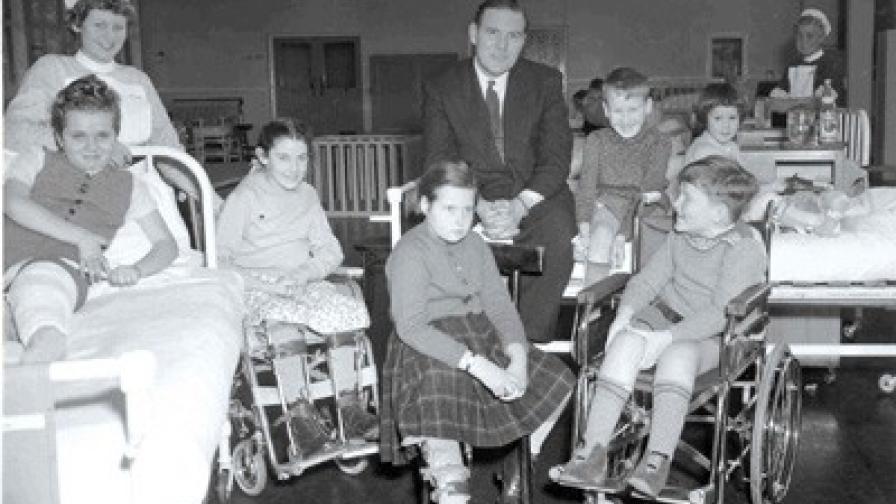
The charity was founded in 1952 by Duncan Guthrie in his quest to find a cure for polio, a condition that affected the lives of many thousands of children including his own daughter, Janet.
Early research funded by the charity helped to develop the first oral polio vaccine which eradicated new cases of the disease in the UK. This accomplishment is a testament to the power of medical research.
Since then we’ve continued to fund vital research projects to save and change lives of sick and disabled babies and children through medical research.

I've been involved with Action since I was nine years old. It's a brilliant cause to support, such amazing work!
Action in Numbers
We currently have 50 top quality projects underway, including Research Training Fellowships, at leading hospitals, universities and specialist centres across the UK.
These funded projects cover a wide range of childhood illnesses from common conditions like asthma to complex challenges like premature birth, brain cancers, heart conditions, epilepsy, cerebral palsy and some rare and distressing conditions.

£330 Funding
£330 can fund a pioneering research project for a day

50 projects
Around 50 projects underway across the UK

70+ years
Celebrating 70+ years of saving and changing lives

200 researchers
Supporting over 200 top researchers


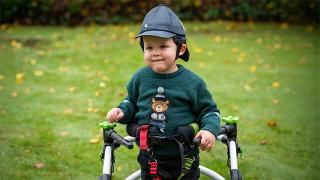
Barnaby's story
Epilepsy
On his worst days, three-year-old Barnaby has had as many as 100 seizures. Keeping their young son safe and well is a constant challenge for parents Charlotte and Kieran.
MORE ABOUT ACTION

Contact us
We want to make it as easy as possible for you to get in touch. Please use the method that suits you best.

Our people
Action Medical Research has some very distinguished supporters who voluntarily give their time and expertise.
Policies
Many of the research projects we support involve working directly with patients who have been affected by a disease or disability.
Action in Scotland
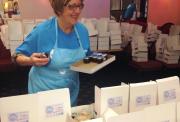
Scotland has long been a place of medical discovery and Action Medical Research has made a significant contribution to its innovation.
About our medical research
We fund high quality children medical research to save and change children's lives.

Life saving research
We fund groundbreaking research to help find answers. Answers that can lead to vaccinations, treatments and cures. Answers that save lives.

Breakthrough discoveries
For over 70 years we've been saving and changing lives through medical research and have spent over £140m funding some amazing breakthroughs.
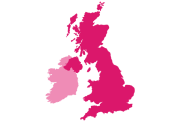
Working across the UK
We have over £11m invested in the work of over 200 top researchers working on around 50 projects