Primary links
- Cycling
- Events
- Support us
- About us
- Our research
- Blog
- Donate
With the help of all our supporters we have played a significant role in many medical breakthroughs for over 60 years, starting with the development of the first UK polio vaccine. Here are some highlights.

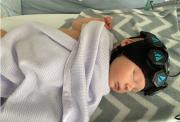
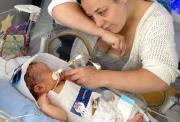
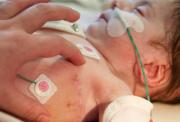
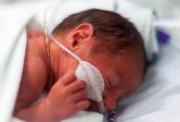
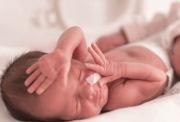
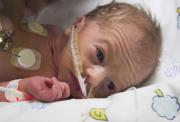
Each year, almost a million newborn babies worldwide will lose their lives after suffering brain injury due to oxygen shortage. Until recently there haven’t been any specific treatments to prevent this damage but a groundbreaking cooling therapy is changing that.
Premature babies have digestive systems that are not yet fully developed and are vulnerable to infection. When fed with milk, those who have not grown in the womb properly are recognised to be at risk of developing a condition called necrotising enterocolitis which causes serious inflammation of the bowel wall. Up to 3,000 babies are affected by this a year in the UK; tragically 35 per cent of them will die.
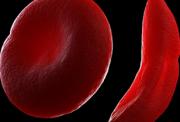
Sickle cell disease (SCD) is a serious genetic blood disorder which affects around 12,500 people in the UK. It is more common in people whose family origins are African, African-Caribbean, Asian or Mediterranean. SCD can cause poor blood circulation in the brain which can lead to learning difficulties.
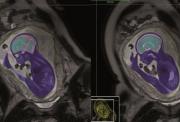
Tragically, around 4,000 babies are stillborn every year and thousands of women hospitalised with pregnancy complications that put babies’ lives at risk.
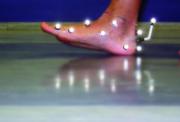
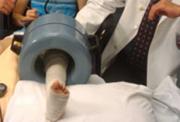
Metal prostheses are used to replace limb bones that have been destroyed by tumours or would otherwise require amputation. But until recently this has been problematic for children, as the implants need to be extended to keep up with the child’s natural rate of growth.
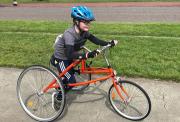
Around one in every 20 children in the UK is registered as having a disability. Those who are severely disabled can be prone to chronic pain and yet cannot communicate how they are feeling. This means their pain can go unrecognised and untreated.
Children and babies are at particular risk of meningitis, a serious and sometimes fatal infection caused by different bacteria and viruses. Those who survive can face permanent disabilities, such as vision and hearing loss, learning difficulties and limb amputation.
More than 100,000 people are admitted to UK hospitals every year with a head injury, a third of them are children.
Rubella is a viral infection that can cause severe abnormalities in an unborn baby if contracted by the mother in the early stages of pregnancy. Also known as German measles, it can result in learning disabilities, deafness and heart problems, all symptoms of a serious condition called congenital rubella syndrome (CRS).
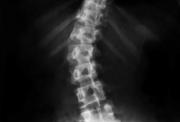
Spina bifida occurs in a baby when the spinal cord and surrounding bones do not develop properly, leaving a gap or a split. Around one in 1,000 babies in the UK are born with it and some of those who survive suffer from hydrocephalus (water on the brain) and can be left with disabilities.
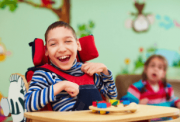
Around eight out of every 10,000 children in the UK have severe disabilities and need posture support for daily activities. But specialised seats can be expensive and often cause painful pressure sores.
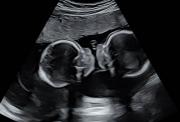
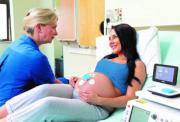
Ultrasound is used in pregnancy to monitor a baby’s development and diagnose problems. It uses sound wave technology which was originally designed to detect flaws in the metal hulls of ships and to aid submarine navigation.
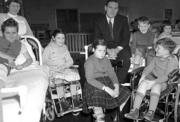
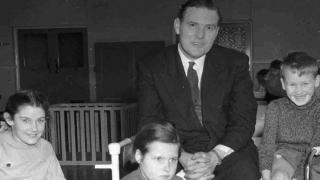
Sixty years ago polio was one of the most feared diseases in the developed world, killing hundreds of children in the UK each year and leaving thousands paralysed. Between 1947 and 1958 polio disabled over 30,000 people in Britain.