Tackling premature birth

Premature birth: role of hormones in the membranes surrounding the baby

Published on 23 October 2009

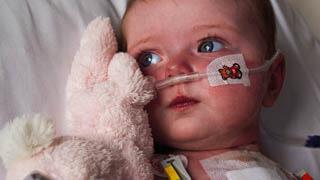
Premature birth is the biggest killer of babies in the UK.1-3,a,b Sadly, around 1,500 babies die here each year after being born too soon and many who survive develop lifelong health problems.1-3,a,b Researchers are investigating how a hormone called oxytocin might help trigger labour by acting on the membranes surrounding the baby. They believe this work could lead to new ways to prevent or delay premature birth.

What's the problem and who does it affect?

Dangers of an early birth

 An estimated 50,000 babies are born prematurely each year in the UK.4,5,c Sadly, more than 25 of these babies die each week because of complications that arise from their early birth.1-3,a,b

Premature birth is also a major cause of disability. Babies who survive an early delivery can develop life-long conditions such as cerebral palsy, blindness, hearing loss and learning difficulties. Research suggests they may even have an increased susceptibility to some diseases in adulthood, including cardiovascular disease and type 2 diabetes.

The parents, siblings and other close relatives of premature babies can be profoundly affected by the stress of caring for them, and the economic costs are staggering, with major cost implications for the families themselves, the NHS, the education system and social care.

Many premature births result from the mother going into labour too soon, but little can be done to stop this. It is far from clear why so many women go into labour early. Much more research is needed if we are to tackle this common, serious and costly problem.

What is the project trying to achieve?

What triggers labour?

The molecular processes that control when a pregnant woman goes into labour are not fully understood. The researchers hope to boost our knowledge of what triggers labour.

They are focusing on the role of a hormone called oxytocin. It’s already known that this hormone causes the muscle of the womb to contract. It works by binding to a protein called the oxytocin receptor in muscle cells.

The researchers have discovered that the oxytocin receptor is also present in the membranes that surround the baby – the so-called amniotic sac – and that the level of these receptors increases during labour. While oxytocin causes contractions of the womb, the membranes surrounding the baby do not contract, so the hormone’s role here remains something of a mystery.

The researchers suspect that oxytocin causes changes in the membranes that may play a key part in triggering labour. They are exploring this in detail in the laboratory.

What are the researchers' credentials?

Project LeaderDr V Terzidou MD MRCOG PhD
Project teamProfessor Phillip Bennett BSc PhD MD FRCOG
Professor Steven Thornton DM FRCOG
Andrew Blanks PhD
LocationParturition Research Group, Hammersmith Hospital Campus, Imperial College London and Warwick Medical School, Coventry
Other locationsWarwick Medical School, Coventry
Duration3 years
Grant awarded23 July 2009
Start date10 May 2010
End date9 May 2013
Grant amount£135,307.00
Grant codeSP4454, GN1750

The Project Leader, Dr Vasso Terzidou, is a clinical lecturer in obstetrics and gynaecology. She has a PhD on the molecular biology of childbirth and a major interest in the role of oxytocin and its receptor. Other members of the project team include Professor Phillip Bennett and Professor Steven Thornton.

Professor Bennett is a world-renowned expert in premature birth. He made the ground-breaking discovery that a molecule called NFkappaB is of central importance to the onset of labour. Professor Thornton is an international authority on the role of oxytocin in the muscles of the womb, and has published extensively in leading journals.

The research will take place within the Institute for Reproductive and Developmental Biology, the largest stand-alone research facility in Obstetrics and Gynaecology in Europe, housing 15 research groups. The ideally equipped laboratories are next to Queen Charlotte’s Maternity Hospital, which oversees 5,000 deliveries a year, providing easy access to samples for research.
 

Who stands to benefit from this research and how?

Delaying or preventing labour

The researchers hope to reveal important new information about the hormone oxytocin – about its actions within the membranes that surround unborn babies, its importance in triggering labour, and whether existing drugs have the potential to block its action in the membranes.

Ultimately, they hope to find new ways to prevent or delay premature labour, and stop so many babies from being born too soon. They envisage a new treatment might work by interfering with the action of oxytocin within the membranes.

This would be a major step forward. Despite improved neonatal care and higher survival rates for babies born early, there has been no progress in reducing the incidence of premature birth. Around 50,000 babies are born prematurely each year in the UK.

Finding an effective way to prevent premature birth could bring far-reaching benefits. It could bring huge costs savings. The costs of neonatal care, for example, though staggering in themselves, can be dwarfed by the costs of the long-term care needed by children who develop life-long conditions.

The potential benefits to babies and their families, of avoiding death and serious disabilities like cerebral palsy, are obvious to all.

References

 1. Office for National Statistics. Health Statistics Quarterly 28 (Winter 2005), 32 (Winter 2006), 36 (Winter 2007)
2. General Register Office for Scotland, Vital Events Reference Tables 2006
3. Northern Ireland Statistics and Research Agency. Registrar General Annual Report 2006
4. Office for National Statistics. Health Statistics Quarterly 35 (Autumn 2007), Table 2.1
5. The Information Centre, Community Health Statistics. NHS Maternity Statistics, England: 2003-04, 2004-05, 2005-06

Footnotes

a. For England and Wales, deaths listed as due to “immaturity related conditions”
b. For Scotland and Northern Ireland, deaths listed as due to “disorders related to length of gestation and fetal growth”
c. Calculation made by Action Medical Research based on figures in references 4 and 5 for the number of births a year in the UK and the number of preterm deliveries in England, respectively. Estimate assumes incidence of premature birth is the same for the UK overall as it is for England.